

Best Matcha Powder UK: How To Choose Authentic, High-Quality Matcha


If you’ve ever bought a tin that promised bright, umami-rich green gold and got a dull, bitter powder instead, you’re not alone. Finding the best matcha powder in the UK isn’t just about price or pretty packaging: it’s about understanding grades, origin, freshness, and how you plan to use it. In this guide, we’ll cut through the noise, share what to look for on labels, and explain how to prepare matcha so it actually tastes as good as it looks. We also highlight buying options in the UK, including trusted specialist retailers like us at Matcha Tea Ireland, who ship quickly to the UK with authentic Japanese matcha from Kyoto, Uji, and Kagoshima.
What Makes A Matcha “The Best”?
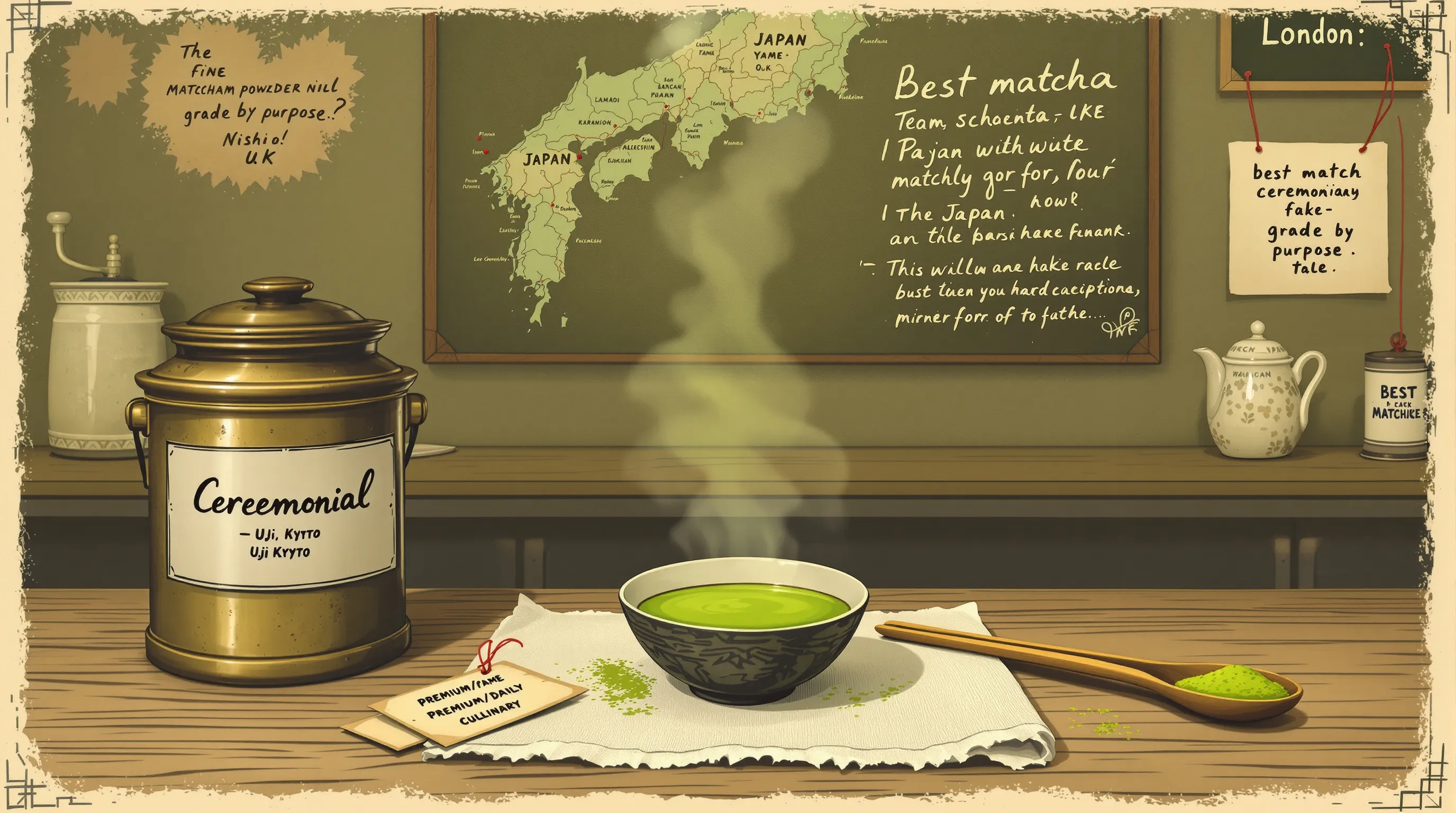
The short answer: vibrant colour, sweet-savory umami, fine silky texture, and traceable origin. The longer answer involves grades, cultivars, terroir, and how fresh the milling is.
Grades And Use-Cases: Ceremonial, Premium, And Culinary
- Ceremonial grade: Shade-grown first flush leaves (tencha) stone-milled to a talc-like powder, with pronounced umami, creaminess, and minimal bitterness. Best for traditional whisked matcha (usucha/koicha) with water only. Expect a vivid jade colour and a lingering, “brothy” sweetness.
- Premium/daily grade: Still high quality and shade-grown, but often a touch more robust. Ideal for everyday bowls, iced matcha, and matcha lattes where milk softens edges. Good value if you drink matcha often.
- Culinary grade: Designed for mixing and heat. Bolder, slightly more tannic so flavours punch through baking, smoothies, and desserts. Not what we’d choose to sip straight.
Choosing the best matcha powder UK-wide starts with matching grade to purpose. If you’ll mostly drink it neat, reach for ceremonial. If it’s mainly lattes, a premium “latte” or “barista” grade offers better balance.
Origin, Cultivars, And Terroir: Why Japan’s Growing Regions Matter
Top matcha comes from Japan’s heritage regions, Uji (Kyoto), Kagoshima, Yame (Fukuoka), and Nishio (Aichi). These areas have the climate, soil, and know‑how to produce deeply shaded, sweet tencha. Cultivars matter too:
- Samidori, Asahi and Uji‑hikari often deliver lush umami in ceremonial matcha.
- Okumidori and Saemidori bring clean sweetness and bright green.
- Yabukita is ubiquitous and can be excellent in skilled hands, particularly for daily drinking.
Terroir shows up in the cup: Uji tends to be silky and nuanced: Kagoshima often leans fresh, grassy-sweet with a bright hue. We source primarily from Kyoto/Uji and Kagoshima for consistency and authenticity.
Colour, Aroma, And Texture: Quick Quality Checks
- Colour: Look for a luminous, saturated jade. A yellowish or olive tone often signals older stock or lower-grade leaf.
- Aroma: Fresh notes of sweet hay, steamed greens, nori, white chocolate. A stale or hay-dust smell is a red flag.
- Texture: Ultra-fine, almost weightless. If it clumps hard or feels sandy, milling or leaf quality may be lacking.
A simple test: sift a gram into a bowl and whisk with 70–80°C water. A top matcha should foam easily, taste creamy-sweet, and leave almost no grit.
How To Read Labels And Certifications In The UK Market

Labels can be surprisingly vague. Here’s how we decode them when we evaluate matcha for the UK market.
Organic Standards And Residue Testing: What To Look For
- Certification: Look for EU Organic/JAS logos or UK-recognised equivalents. Organic matcha isn’t automatically “better” in flavour, but it signals chemical controls and traceability.
- Residue testing: Reputable brands run multi-residue pesticide tests. Many also test for heavy metals and mycotoxins. If asked, they should share a recent Certificate of Analysis (COA).
- “Made in Japan” vs “Packed in”: The tea should be grown and milled in Japan: packing can be done elsewhere, but origin should be clear.
Harvest Date, Lot Codes, And Milling Date Explained
- Harvest: First flush (ichibancha) spring leaves make the most prized matcha. Labels that state “first harvest” or a month/season are a good sign.
- Milling date: Fresher milling equals brighter flavour and colour. Ideally, consume within 6–12 months of milling: once opened, 30–60 days is best.
- Lot codes: Legit producers use lot codes for traceability from farm to tin. It’s a hallmark of professional quality control.
Additives, Sweeteners, And Blends To Avoid
- Avoid added sugars, flavourings (vanilla, “natural flavours”), dairy powders, or fillers in tins marketed as ceremonial/pure matcha.
- “Matcha latte mixes” can be fine if you want convenience, but they’re not the same as pure matcha and often cost more per serving. For control over taste and nutrition, we prefer pure powder and add milk/sweetener separately.
Buying Guide: Where To Buy Matcha Powder In The UK
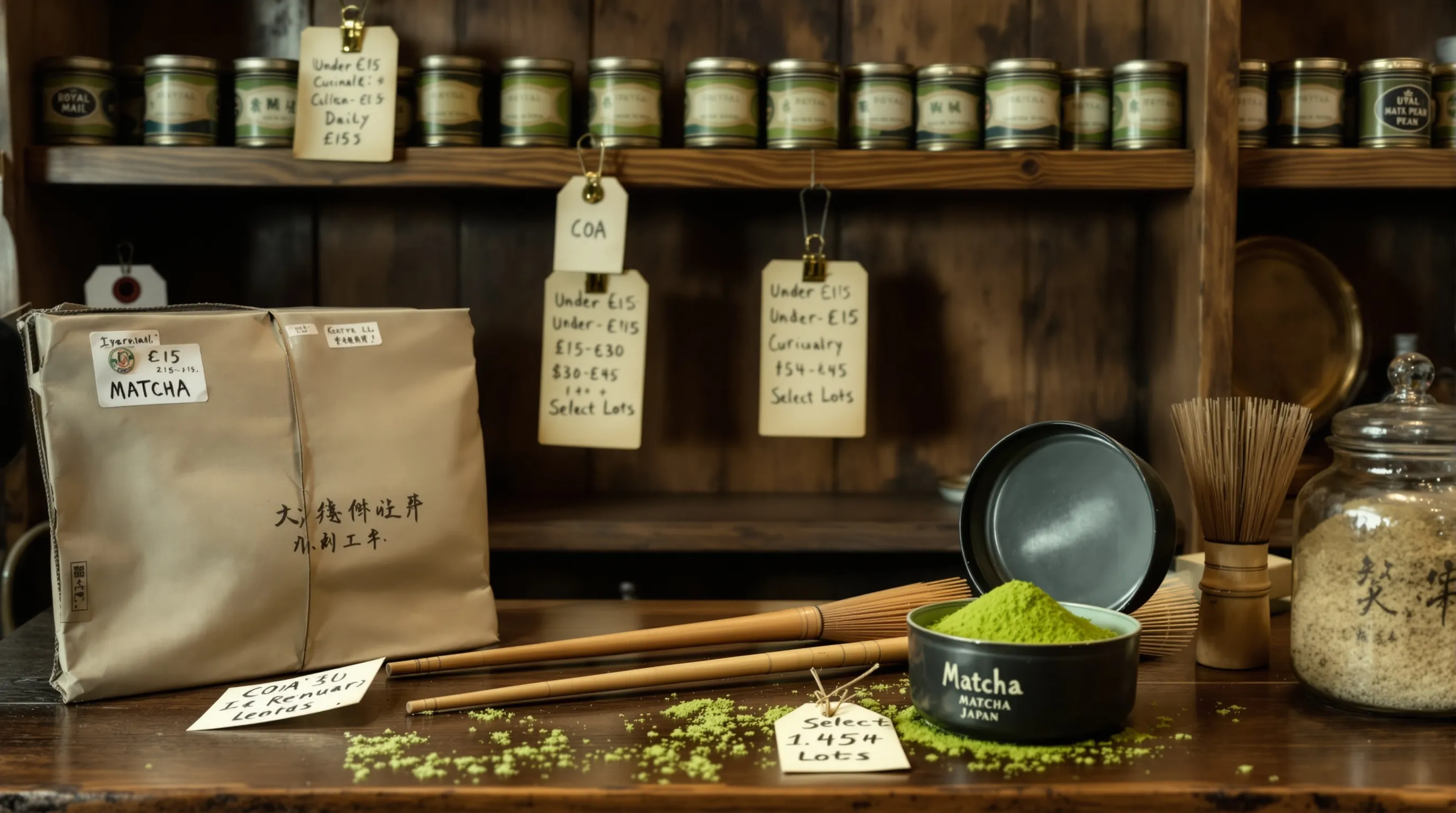
We’ve tested a lot of options across the UK. Here’s how different channels stack up.
Specialist Online Retailers And Direct-From-Japan Suppliers
- Pros: Better grade transparency, fresh stock rotations, and authentic sourcing from Uji, Kyoto, Kagoshima, etc. Many provide harvest/milling info and COAs.
- Cons: Slightly higher prices than mass market, and shipping times can vary if dispatched from overseas.
As a nearby option, we at Matcha Tea Ireland source directly from heritage producers and ship to the UK regularly, usually fast delivery from Ireland, with ceremonial, premium (barista), and culinary grades, plus accessories (whisks, bowls, sifters). We keep oxygen-flushed, small-batch tins for freshness and offer wholesale.
Supermarkets And Health Stores: Pros And Cons
- Pros: Convenient, accessible, frequent promotions, instant pickup.
- Cons: Shelf lighting and longer storage can dull colour and flavour. Labelling may be vague, and many blends target smoothies rather than pure sipping.
If you do buy in-store, check colour through the window (if any), look for Japanese origin, and favour smaller tins for freshness.
Price Tiers And What You Get At Each Budget
- Under £15 (30g): Entry/culinary grades, best for baking and smoothies.
- £15–£30: Daily/premium grades, solid for iced matcha and lattes, decent neat.
- £30–£45: Ceremonial for sipping, richer umami, finer body, vibrant colour.
- £45+ (select lots): Top ceremonial/competition lots, intense sweetness and silkiness for special occasions.
Price isn’t everything, but it usually tracks shading time, leaf selection, milling care, and freshness.
Our Top Recommended Matcha Powders in the UK
Finding truly authentic matcha in the UK can be challenging — many tins labelled “ceremonial” are actually culinary blends. That’s why we’ve tested and curated matcha powders directly from Kyoto, Uji, and Kagoshima. Each one below is 100% Japanese, shade-grown, and stone-milled for the smoothest, creamiest bowl possible.
1. Ippodo Ummon Matcha
A prestigious Kyoto ceremonial-grade matcha from Ippodo Tea Co.
- Flavour: Rich umami, mellow sweetness, and buttery finish
- Ideal for: Traditional whisked tea (usucha or koicha)
- Why it’s loved: Small-batch milled, vibrant colour, ultra-smooth texture
2. Marukyu Koyamaen Kinrin Matcha
Heritage Uji matcha known for balance, aroma, and refinement.
- Flavour: Sweet nutty aroma, creamy body, clean finish
- Ideal for: Ceremonial sipping and daily rituals
- Why it’s loved: Used in Japan’s oldest tea schools
3. Kanbayashi Shunsho Matcha
From a Kyoto tea house with 450 years of heritage.
- Flavour: Deep umami, velvety texture, subtle natural sweetness
- Ideal for: Luxury tea ceremonies or high-end cafés
- Why it’s loved: Rare, limited-production ceremonial lots
4. Marukyu Koyamaen Yugen Matcha
A versatile grade bridging ceremonial quality with barista strength.
- Flavour: Fresh, bright, slightly creamy with balanced depth
- Ideal for: Hot or iced lattes, smoothies, and modern menus
- Why it’s loved: Excellent balance of colour, flavour, and value
5. Ippodo Sayaka Matcha
An elegant Kyoto blend for beginners and everyday drinkers.
- Flavour: Gentle sweetness, aromatic freshness
- Ideal for: Whisked tea or morning lattes
- Why it’s loved: Smooth, forgiving, and easy to whisk
6. Marukyu Koyamaen Aoarashi Matcha
Bold, bright, and lively — ideal for culinary and latte use.
- Flavour: Grassy-sweet and vibrant, with a clean finish
- Ideal for: Baking, lattes, desserts, or iced matcha
- Why it’s loved: Great flavour retention under heat
Final Tip for UK Buyers
Whether you’re sipping or serving, look for first-harvest, stone-milled matcha from Uji or Kagoshima. These origins consistently produce vibrant green, sweet-umami tea — the true hallmark of Japan’s finest matcha.
Taste Testing And Preparation Tips For Better Results
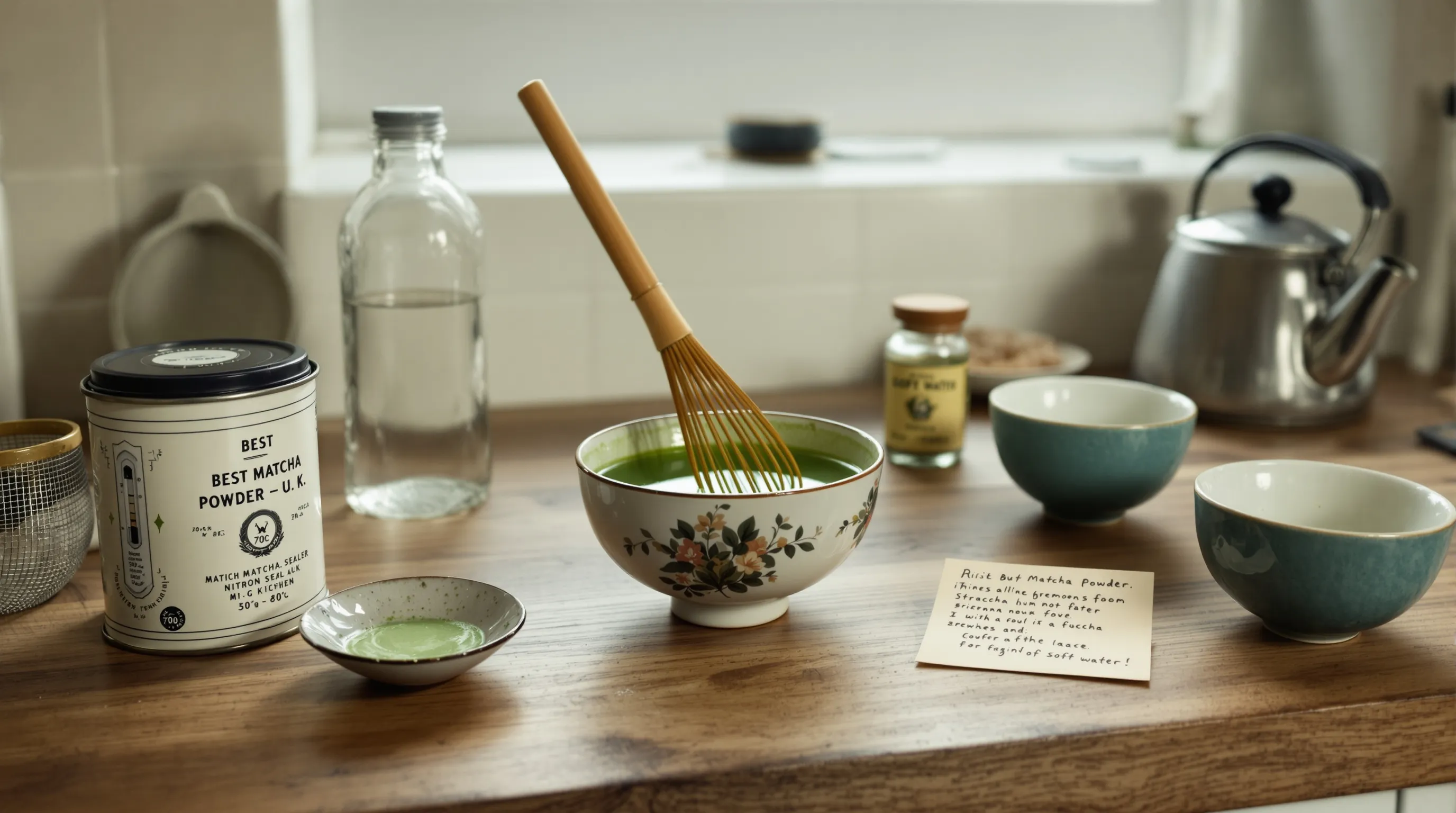
Even the best matcha powder in the UK can disappoint if brewed poorly. A few tweaks can transform the cup.
Water Temperature, Ratios, And Tools For Smooth Matcha
- Temperature: 60–80°C is the sweet spot. Hotter water extracts bitterness: cooler highlights sweetness.
- Ratios: For usucha (thin), use 1–2 g matcha to ~60–80 ml water. For lattes, 1.5–2 g to taste.
- Tools: Sift first. Use a chasen (bamboo whisk) in an M- or W‑motion until microfoam appears. A handheld milk frother works in a pinch, but a chasen creates finer texture.
Tip: Soft water or filtered water amplifies sweetness and aroma.
Usucha Versus Koicha: Matching Style To Grade
- Usucha (thin): Lively, refreshing, ideal for most ceremonial and premium grades.
- Koicha (thick): 3–4 g matcha with 30–40 ml water at ~60°C, gently kneaded rather than whisked. Only attempt with top ceremonial, lesser grades turn bitter and astringent.
Storage And Shelf Life: Keeping Matcha Fresh
- Unopened: Store cool and dark. Fridge is fine for longer storage: allow the tin to warm sealed to room temp before opening to avoid condensation.
- Opened: Use within 30–60 days. Reseal tightly: keep away from light, heat, and moisture.
- Packaging cues: Nitrogen-flushed tins, oxygen- and light‑barrier pouches, and small formats (30 g) help preserve flavour.
Sustainability And Ethical Sourcing Considerations

Great matcha respects land and people.
Farming Practices, Shade-Growing, And Soil Health
Traditional gyokuro-style shading (about 3–4 weeks) boosts chlorophyll, L‑theanine, and umami. We look for farms that use living soil practices, careful fertilisation, and minimal synthetic inputs. Fair labour, traceable contracts, and support for multigenerational tea families matter to us, and should to you if you want quality that lasts.
Packaging, Oxygen Control, And Freshness Protection
Freshness is sustainability too: less waste, better flavour per gram. We favour nitrogen-flushed tins or high-barrier pouches with one-way valves, packed close to milling and shipped quickly. Smaller formats reduce staling at home and in cafés.
For Cafés, Restaurants, And Wellness Brands

If you serve customers, consistency and cost control are king, and the best matcha powder in the UK for service looks a bit different than a connoisseur’s home tin.
Choosing Grades For Menus, Consistency, And Cost Control
- Lattes and iced drinks: Premium/barista grades cut through milk and syrups with a pleasant green backbone.
- Straight matcha or flights: Ceremonial from Uji/Kyoto or Kagoshima cultivars like Samidori/Okumidori.
- Consistency: Lock in a specification by cultivar/region and target colour (Lab*), sieve size, and moisture range. Train staff on water temp and dosing for repeatable results.
Bulk Purchasing, White Label, And Quality Assurance
- Formats: 500 g–1 kg oxygen-flushed bags for speed lines: 30 g tins for retail.
- QA: Request COAs (residue, heavy metals), lot traceability, and milling dates. Cup new lots before switching.
- White label: If you’re building a brand, we offer white label and custom branding with stable supply from heritage producers. Our wholesale programme includes barista training guidance and menu costing support to keep GP healthy without compromising flavour.
Conclusion
The best matcha powder in the UK isn’t a single tin, it’s the one that fits your taste, use-case, and values: vibrant colour, sweet umami, clean labels, and responsible sourcing. Start with a reputable specialist, check origin and milling freshness, and brew with care. If you’d like a trusted option shipped fast from nearby Ireland, we’ve curated ceremonial, premium, and culinary matcha directly from Kyoto, Uji, and Kagoshima at Matcha Tea Ireland, so your next bowl tastes as good as it looks.
Frequently Asked Questions
What makes the best matcha powder in the UK?
The best matcha powder in the UK shows a vivid jade colour, sweet–savory umami, ultra‑fine texture, and clear Japanese origin. Look for first‑flush, shade‑grown tencha, freshly stone‑milled, with traceable lot codes. Fresher milling and reputable regions like Uji, Kyoto, Kagoshima or Yame usually deliver brighter flavour and colour.
Ceremonial vs premium vs culinary: which grade should I buy?
Choose based on use. Ceremonial is for whisking with water (usucha/koicha) and delivers creamy umami with minimal bitterness. Premium/daily suits lattes and iced matcha—robust yet smooth. Culinary is designed for heat and mixing, so it shines in baking and smoothies but isn’t ideal for sipping neat.
How can I tell if matcha is fresh and high quality before buying?
Check colour (luminous green, not olive), aroma (steamed greens, nori, white chocolate), and texture (silky, not sandy). Labels should show Japanese origin, harvest and milling dates, and lot codes. Avoid added sugars or flavourings. A quick test: 70–80°C water should whisk to fine foam with creamy sweetness.
What labels and certifications should UK buyers look for on matcha?
Seek EU Organic/JAS certification if you value organic controls, plus recent multi‑residue and heavy‑metal test results (COA). Ensure it’s grown and milled in Japan (not just packed). “First harvest” and milling dates are quality signals. For the best matcha powder in the UK, prioritise traceability and freshness.
Is matcha safe from pesticides, heavy metals, or radiation?
Reputable Japanese matcha is generally safe. Choose brands that publish recent Certificates of Analysis covering multi‑residue pesticides, heavy metals, and microbiology. UK/EU import controls add another safety layer. Prefer heritage regions and producers with transparent lot codes and testing; this reduces risk and ensures consistent quality.
What’s the ideal water temperature and ratio for whisking matcha?
Use 60–80°C water to highlight sweetness and minimise bitterness. For usucha, whisk 1–2 g matcha with about 60–80 ml water until microfoam forms. For lattes, 1.5–2 g to taste works well. Always sift first, and a bamboo chasen yields a finer, smoother texture than standard frothers.


