

What Is Matcha? A Complete Guide To Japan’s Stone‑Ground Green Tea


Ask a Japanese tea master “what is matcha?” and you’ll get more than a dictionary definition. Matcha isn’t just powdered green tea: it’s a centuries‑refined craft built on shade‑growing, patient processing, and whisked preparation. We drink the whole leaf, not an infusion, so flavour, colour, and effect are distinct. In this guide, we’ll unpack what makes matcha unique, how it’s produced, how to prepare it properly, and how to choose quality, drawing on our experience sourcing authentic Japanese matcha for Matcha Tea Ireland and working directly with growers in Uji, Kyoto, and Kagoshima.
What Makes Matcha Unique
How Matcha Differs From Other Green Teas
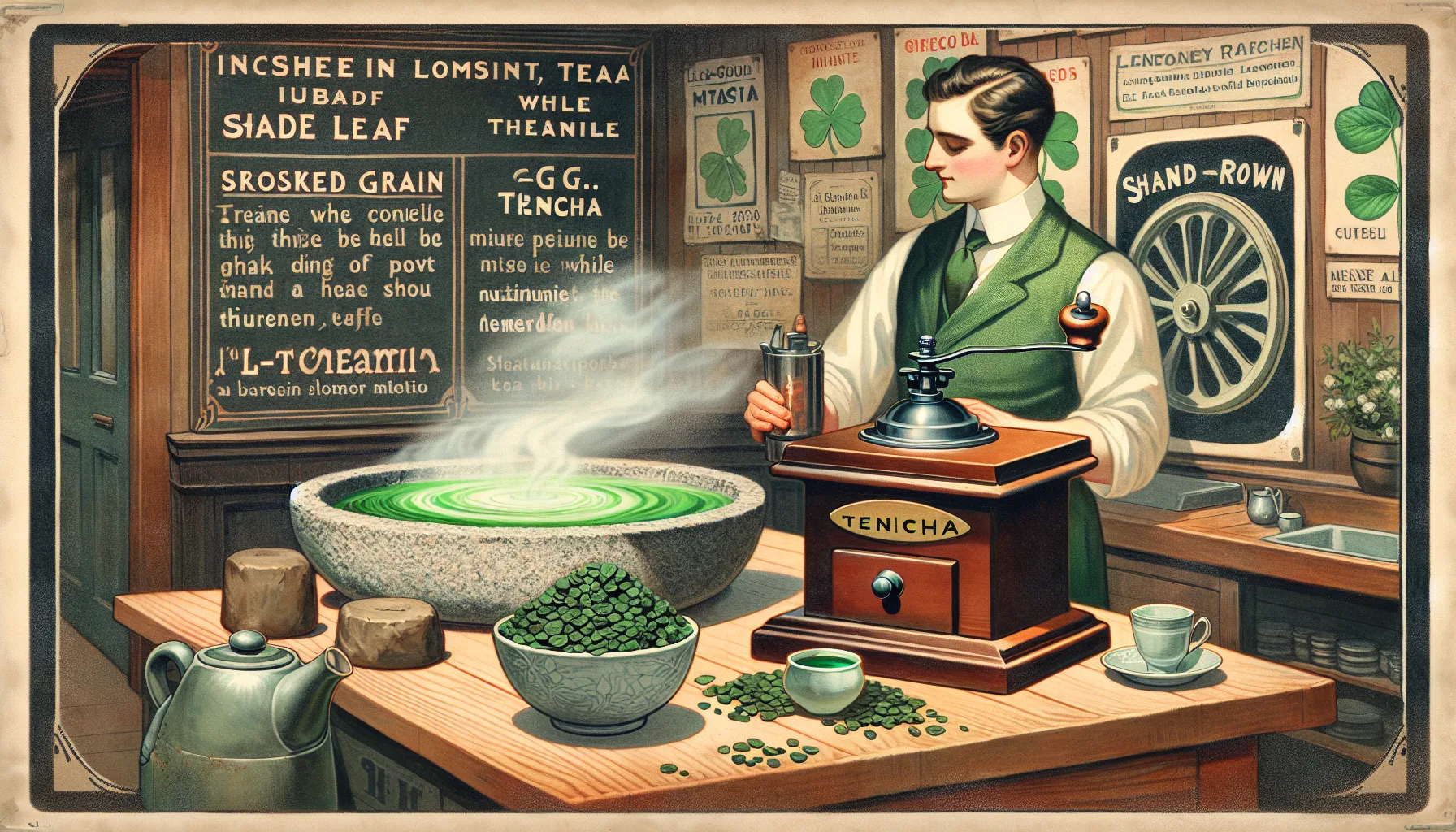
Most green teas are infused: hot water extracts flavour, then we discard the leaves. With matcha, we finely stone‑mill shade‑grown tea (tencha) into a powder and drink the whole leaf. That’s why a small bowl can feel so vibrant, colour, body, and aroma arrive all at once. Shade cultivation for around 20–30 days before harvest boosts chlorophyll and amino acids, especially L‑theanine, delivering that signature umami and mellow sweetness.
Because we consume the leaf, quality matters more than with a standard brew. Stem removal, gentle steaming, slow drying, and ultra‑fine milling (traditional stones keep temperature low) set matcha apart from “green tea powder”, which is often unshaded, bitter, and mechanically pulverised.
Whole‑Leaf Consumption And Nutrient Density
Drinking matcha means ingesting the leaf’s micronutrients and polyphenols rather than a fraction in water. You’ll typically get higher levels of catechins (notably EGCG), along with caffeine balanced by L‑theanine for calm focus. The result is a steadier lift than coffee for many of us, clear, sustained, and without the jittery spike when prepared well.
Origins, Cultivars, And Production
From Shade‑Grown Tencha To Stone Milling
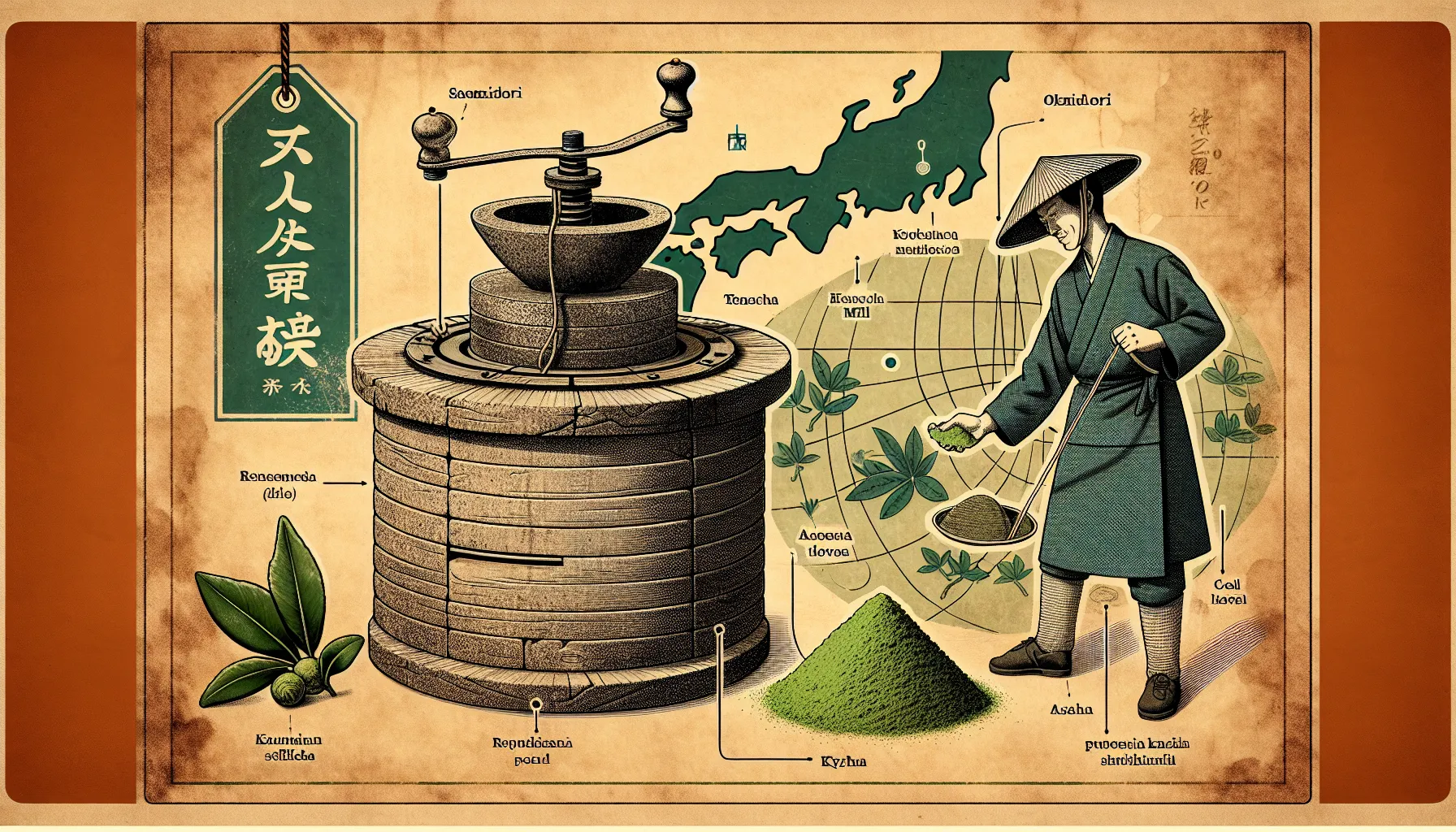
The matcha journey starts weeks before harvest. Farmers stretch shade canopies over tea gardens, slowing photosynthesis and preserving amino acids. After picking, leaves are steamed (to prevent oxidation), then dried flat as airy flakes. This is tencha. Stems and veins are removed, and the delicate leaf is stone‑milled in small batches. Stones rotate slowly to avoid heat that can dull aroma and colour. A single mill often produces only tens of grams per hour, patience translates into flavour.
Key Regions And Terroir: Uji, Kyoto, And Kagoshima
Uji in Kyoto is the spiritual home of matcha, famous for refined umami and a silken mouthfeel. Kyoto Prefecture offers cool nights and meticulous craftsmanship honed over centuries. Kagoshima, on the southern tip of Kyushu, brings volcanic soils, abundant sunshine, and organic innovation: its matcha can be intensely green with a brighter, slightly grassy profile. We source from both, select Uji lots for ceremonial bowls and Kagoshima for vibrant lattes, because terroir genuinely shapes the cup.
Cultivars And Their Impact On Flavour And Colour
Think of cultivars like grape varieties. Saemidori and Okumidori often yield luminous colour and pronounced sweetness: Gokou and Asahi lean plush and umami‑rich: Yabukita (widely planted) brings balanced structure. Blending cultivars lets producers fine‑tune body, aroma, and crema‑like foam. Single‑cultivar matcha highlights a distinct character, while blends target consistency season to season.
Grades, Flavour, And Caffeine Profile

Ceremonial Versus Culinary: When To Use Each
Ceremonial grade is designed for straight drinking, usucha or koicha, prioritising sweetness, depth, and a long, creamy finish. It’s pricier because it uses the most tender leaves and slower milling. Culinary grade is crafted to shine in milk, baking, and smoothies. It’s intentionally more robust so flavours hold after heating or mixing. For cafés, we often recommend a “latte grade” between the two: vivid colour, clean finish, and enough body to cut through milk.
Umami, Sweetness, And Texture: Reading Quality Cues
Quality matcha should look electric green (never dull olive). The aroma is fresh, think steamed greens, cocoa butter, a hint of nori. On the palate, umami and natural sweetness lead, with low astringency and a velvety texture. If it’s chalky, brownish, or aggressively bitter, it’s likely poor leaf material, improper shading, or oxidation.
Caffeine, L‑Theanine, And Steady Energy
A typical 2 g serving of matcha provides roughly 60–70 mg of caffeine, moderated by L‑theanine to promote relaxed alertness. Many of us experience smooth concentration for 3–4 hours, making matcha ideal for work, study, and mindful rituals.
Health Benefits And Considerations

Antioxidants (EGCG), Detox Support, And Metabolic Health
Matcha is rich in catechins, especially EGCG, studied for antioxidant activity. Research associates green tea catechins with support for cardiovascular health markers and metabolic function when combined with a balanced lifestyle. Because we ingest the leaf, matcha can deliver more polyphenols per serving than brewed green tea. None of this replaces a varied diet, but it’s a strong daily habit.
Calm Focus, Mood, And Mindful Ritual
Caffeine plus L‑theanine is a compelling duo: alert yet centred. The preparation itself, sifting, whisking, pausing, adds a mindful beat to the day. Many of us use that minute at the bowl as a reset between tasks.
Who Should Limit Intake And Potential Interactions
If you’re sensitive to caffeine, pregnant, breastfeeding, or taking medications (including blood thinners or iron supplements), consider limiting intake and check guidance from a healthcare professional. Green tea polyphenols may reduce non‑heme iron absorption: having matcha between meals helps. People with reflux might prefer lower temperatures and smaller servings to reduce bitterness and strength.
Preparation: Tools, Ratios, And Techniques
Essential Kit And Simple Alternatives
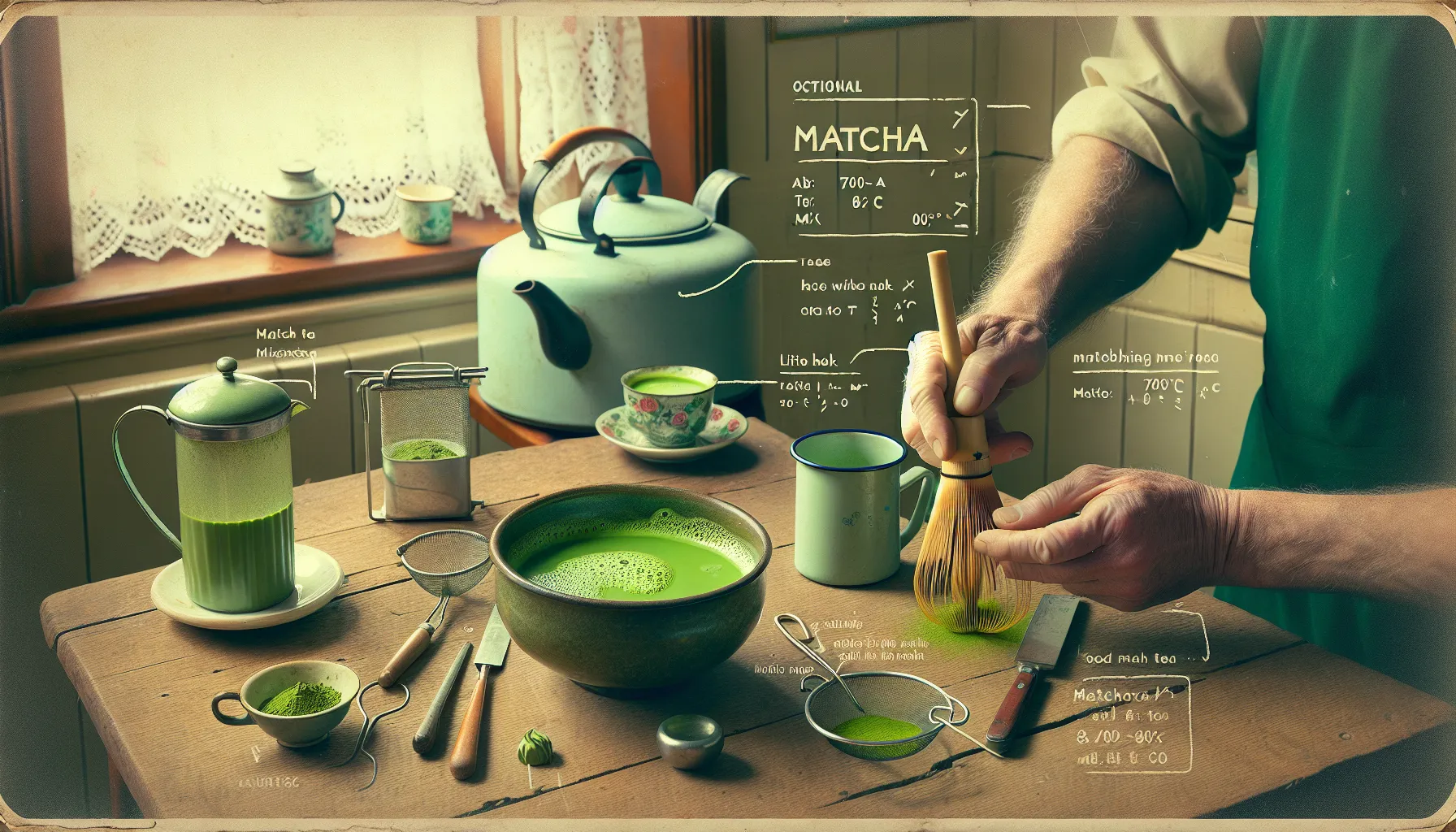
Traditional tools matter: a chawan (bowl), chasen (bamboo whisk), and chashaku (scoop). They’re designed for the job. That said, we’re pragmatists, use a small sifter, any wide mug, and a handheld milk frother if you’re starting out. We stock both classic sets and practical alternatives at Matcha Tea Ireland.
Sifting, Water Temperature, And Whisking Methods
Sift 1.5–2 g (about 1 level teaspoon) to avoid clumps. Use fresh water at 70–80°C: hotter water emphasises bitterness and flattens sweetness. Add a splash, knead gently to a paste, then top up to 60–80 ml for usucha. Whisk briskly in an M‑motion from the wrist to create a fine foam with microbubbles. Aim for 15–20 seconds, enough energy, not aggression.
Usucha, Koicha, And Popular Modern Drinks
Usucha (thin tea): 2 g to 60–80 ml water, silky, light, and aromatic. Koicha (thick tea): 3–4 g to 30–50 ml, no foam, slow and syrupy: reserve ceremonial matcha only. For lattes, blend 2 g with 20 ml hot water, then add 150–200 ml steamed milk (oat and dairy both work). Cold matcha? Shake with chilled water and ice: strain for a glass‑clear finish.
Buying, Storage, Sustainability, And Professional Use
Choosing Quality: Colour, Aroma, Origin, And Freshness
When you buy matcha online, lean on these cues: vivid spring‑green colour, fresh and sweet aroma, clear origin (Uji, Kyoto, Kagoshima), and recent milling dates. Look for nitrogen‑flushed, light‑proof tins. At Matcha Tea Ireland, we prioritise harvest transparency, cultivar detail where available, and tasting notes so you can choose confidently, whether it’s ceremonial grade matcha for the bowl or organic matcha powder for lattes.
Storage And Shelf Life: Protecting Flavour And Nutrients
Light, air, heat, and humidity are the enemies. Keep unopened tins in a cool cupboard: once opened, reseal tightly and refrigerate. Bring to room temperature before opening to avoid condensation. For peak flavour, finish within 60–90 days of opening: unopened tins are typically best within 12 months. If colour dulls or aroma fades, it’s time to refresh.
Ethical Sourcing, Organic Standards, And Traceability
Sustainability isn’t a buzzword for us. We work with heritage producers using shaded cultivation and careful soil management. Many lots meet JAS/EU organic standards: for conventional farms, we verify residue testing and traceability back to the lot and producer. Eco‑friendly packaging and consolidated shipments help reduce waste, and we’re always expanding our organic range.
Applications For Cafés, Restaurants, And Wellness Brands
For professional kitchens and cafés in Ireland and beyond, consistency is king. We offer matcha wholesale in sizes suited to service, with latte‑optimised grades that cut through milk, plus white‑label options for wellness brands. Think signature iced matcha, matcha frappés, smoothies, pâtisserie glazes, and premium soft‑serve, training and dosing guides included. Free shipping applies on qualifying larger orders within our network (e.g., over €300 in the EU).
Culinary Uses And Flavour Pairings
Baking, Desserts, And Smoothies Without Bitterness
To keep cakes and biscuits vibrant, use a culinary or latte grade with strong colour and lower bitterness at oven temps. Pair with white chocolate, vanilla, almond, or coconut for balance. In smoothies, blitz 1–2 g with banana, spinach, and citrus: or go ultra‑clean: matcha, ice, and filtered water with a touch of honey.
Savoury Ideas And Pairings That Elevate Umami
Matcha loves fat and umami. Whisk into a tahini‑yuzu dressing, fold through miso butter for roasted veg, dust over tempura salt, or blend into soba dipping sauce. Try a matcha‑sesame rub for salmon or tofu. For cheese boards, a pinch in honey over fresh goat’s cheese is unexpectedly brilliant.
Conclusion
So, what is matcha? It’s Japan’s shade‑grown, stone‑milled green tea that we drink whole, vivid, umami‑rich, and quietly energising. When sourced well and prepared with care, it’s both a daily ritual and a versatile ingredient. If you’re in Ireland (or ordering worldwide), we’ve curated ceremonial and culinary options, tools, and wholesale matcha at Matcha Tea Ireland to make the experience effortless. Ready to whisk?
Frequently Asked Questions
What is matcha and how is it different from regular green tea?
Matcha is shade‑grown Japanese green tea (tencha) stone‑milled into a fine powder. Unlike regular green tea, you whisk it into water and drink the whole leaf. This delivers vivid colour, rich umami, higher L‑theanine and catechins, and a smoother, steadier energy compared with a typical infused brew.
How do I prepare matcha correctly at home?
Sift 1.5–2 g matcha into a bowl, add a splash of 70–80°C water to make a smooth paste, then top to 60–80 ml for usucha. Whisk briskly in an M‑motion for 15–20 seconds to create fine foam. Hotter water or over‑whisking can increase bitterness.
What’s the difference between ceremonial and culinary grade matcha?
Ceremonial grade uses the most tender, well‑shaded leaves, milled slowly for sweetness, deep umami and a creamy finish—ideal for usucha or koicha. Culinary grade is bolder to shine in milk, baking and smoothies. Some producers offer a latte‑optimised middle ground with vivid colour and enough body for café drinks.
How do I choose high‑quality matcha?
Look for an electric spring‑green colour, fresh sweet aroma (steamed greens, cocoa butter, nori), clear origin such as Uji (Kyoto) or Kagoshima, and recent milling dates. Prefer nitrogen‑flushed, light‑proof tins. Dull olive colour, chalky texture or aggressive bitterness often signal poor shading or oxidation.
Does matcha help with weight management?
Matcha provides catechins like EGCG and moderate caffeine, which research links to small increases in thermogenesis and fat oxidation when combined with a balanced diet and activity. It isn’t a magic fix, but as a low‑calorie drink offering calm focus, it can support healthier routine choices over time.
Is matcha safe during pregnancy or with certain medications?
Matcha contains caffeine (about 60–70 mg per 2 g). Those pregnant, breastfeeding, caffeine‑sensitive, or on medications—especially blood thinners or iron supplements—should seek medical advice and consider limiting intake. Green tea polyphenols can hinder non‑heme iron absorption; drinking matcha between meals helps minimise this effect.


