

Matcha Near Me: How To Find Authentic Japanese Matcha In Ireland


If you’ve ever typed “matcha near me” and ended up with a sweet latte that tasted more like spinach than silk, you’re not alone. Finding the real deal, vibrant, umami-rich, stone‑milled matcha from Japan, can be tricky in Ireland. We’ve spent years sourcing, brewing, and serving Japanese matcha across the country, and in this guide we’ll show you how to spot authenticity, where to buy (online and in-store), and how to make a better bowl at home. Whether you’re in Dublin, Cork, Galway, or ordering from a rural kitchen, here’s how to turn “near me” into “exactly what we wanted.”
Key Takeaways
- Treat “matcha near me” as fast, reliable access to fresh Japanese matcha in Ireland—prioritise next‑day shipping, cool storage, and clear provenance over proximity.
- Verify authenticity by origin (Uji, Kagoshima, Nishio), first‑flush/ceremonial grading, stone‑milling, vivid green colour, creamy aroma, and talc‑fine texture.
- Buy online from Irish retailers that list farm region, harvest notes, nitrogen‑flushed tins, and lab testing; in shops or cafés, ask which grade and brand they use.
- Brew better at home with sifted ceremonial matcha, 70–80°C water, vigorous whisking, and fridge storage after opening; finish tins within 4–6 weeks.
- Choose the right grade for the job—ceremonial for straight tea or premium lattes, culinary for baking—and expect fair Irish pricing aligned to leaf quality and milling.
What “Near Me” Really Means For Matcha Lovers
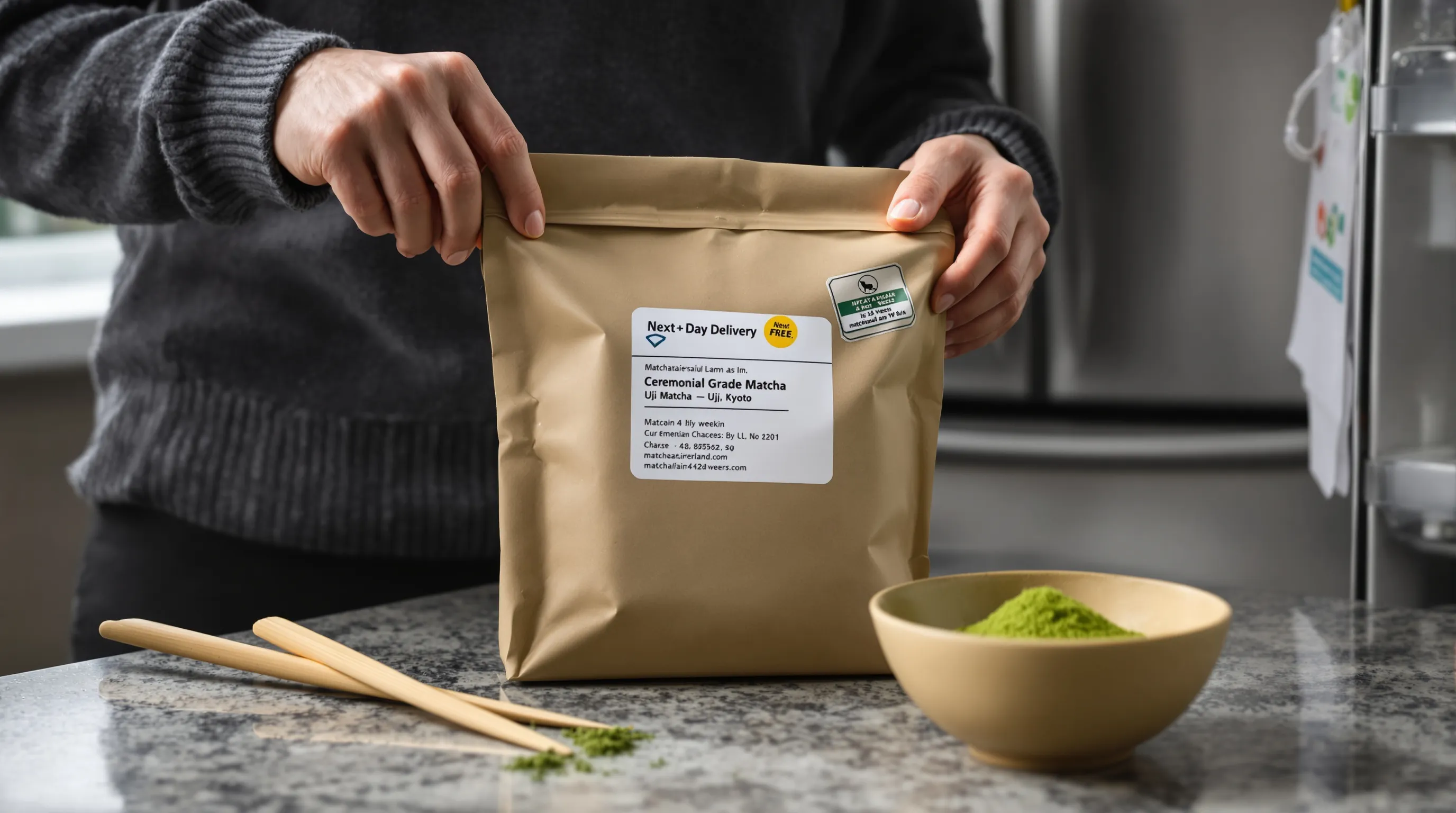
“Near me” doesn’t always mean the café around the corner. For matcha, freshness and provenance beat geography every time. Stone‑milled powder oxidises quickly once opened: it wants cool storage, minimal light, and fast shipping. A fresh tin dispatched from a trusted Irish retailer can be “nearer” to authentic flavour than a scoop sitting open on a café counter for weeks.
So how do we define “near me” sensibly in Ireland?
- Speed of delivery: Next‑day or 48‑hour nationwide shipping keeps ceremonial grade matcha bright and aromatic. We offer tracked shipping from our Irish base at matchateaireland.com, with free shipping over €300 for wholesale or group orders.
- Cold chain thinking (even at home): While refrigeration isn’t mandatory pre‑opening, Ireland’s mild climate helps. Once opened, store your matcha in an airtight tin in the fridge and use within 4–6 weeks.
- Consistent sourcing: Authentic Japanese matcha comes from regions like Uji (Kyoto), Kagoshima, and Nishio. If a seller is vague about origin or grade, that’s a red flag.
In short, “matcha near me” is about reliable access to fresh, authentic Japanese matcha in Ireland, delivered quickly, stored correctly, and honestly labelled.
How To Tell If Matcha Is Authentic And Choose The Right Grade
Origin And Harvest
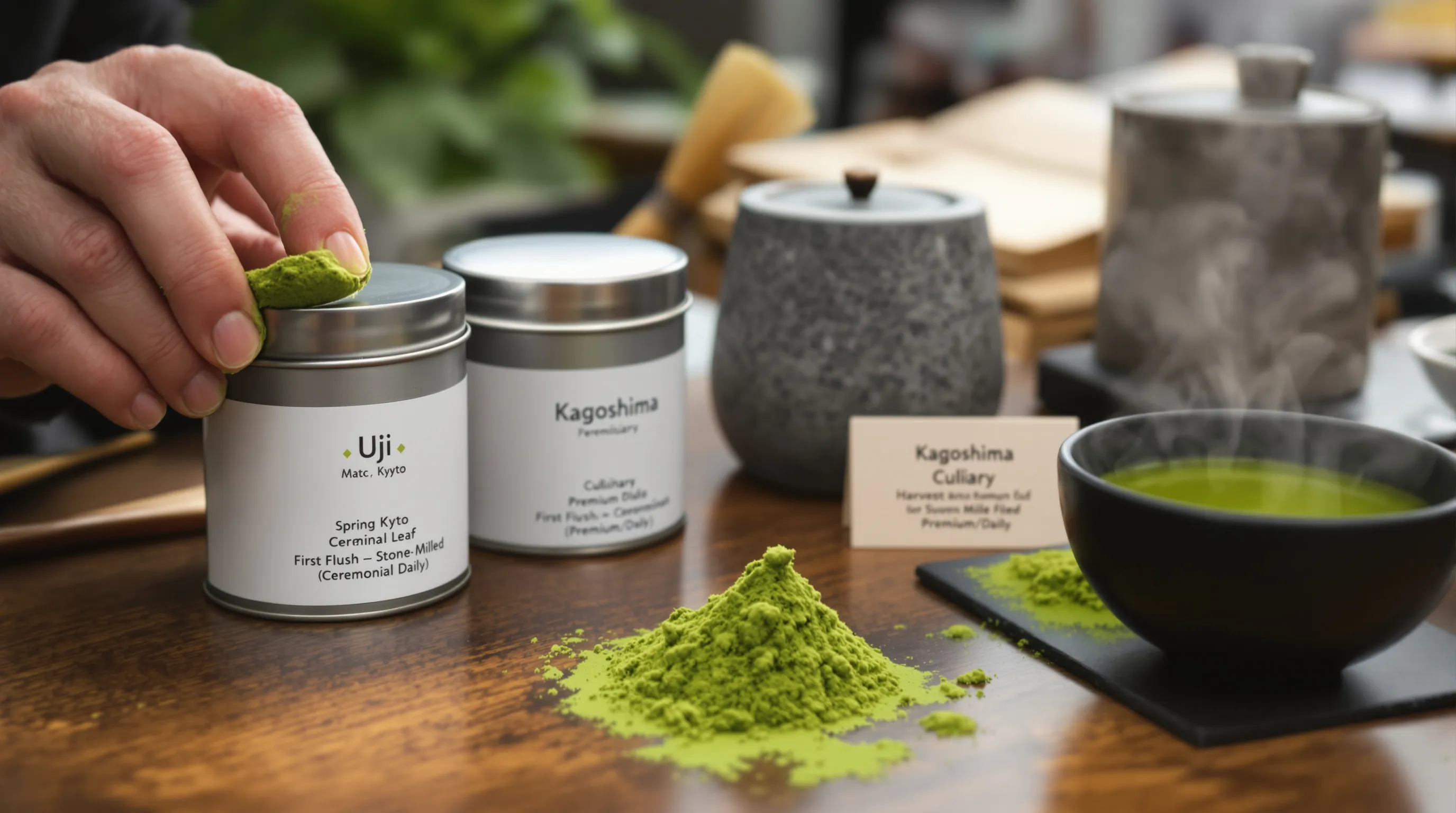
Authentic matcha is shade‑grown for about 3–4 weeks pre‑harvest, then steamed, de‑stemmed, and stone‑milled. We source directly from heritage producers in Kyoto (Uji) and Kagoshima, two regions renowned for balance and sweetness. Look for harvest details (first flush for ceremonial grade), farm region, and milling method. If you see “Chinese green tea powder” or “blend of green teas,” that’s not Japanese matcha.
Grade And Intended Use
- Ceremonial grade matcha: Tender first‑flush leaves, silky texture, low bitterness, ideal for usucha (thin tea) and premium lattes. If you drink it straight with hot water, this is your lane.
- Premium/daily grade: Still Japanese shade‑grown and stone‑milled, but with slightly more robust notes. Great for daily lattes, iced matcha, and smoothies.
- Culinary grade: Bolder flavour to cut through baking and desserts. Perfect for cakes, cookies, or matcha tiramisu.
We label by intended use so you don’t overspend on a baking batch or undershoot a tea ceremony moment.
Colour, Aroma, And Texture Checks
- Colour: Vivid spring‑leaf green, not khaki. Dull or yellowish tones suggest oxidation or lower leaf grade.
- Aroma: Fresh and creamy with a hint of steamed greens and white chocolate. If it smells grassy or fishy, walk away.
- Texture: Ultra‑fine, talc‑like. Grit means poor milling. A simple test: press a small pinch between fingers, it should smear like paint, not crumble.
Where To Buy Matcha In Ireland (Online And In-Store)
Online Retailers Shipping Nationwide
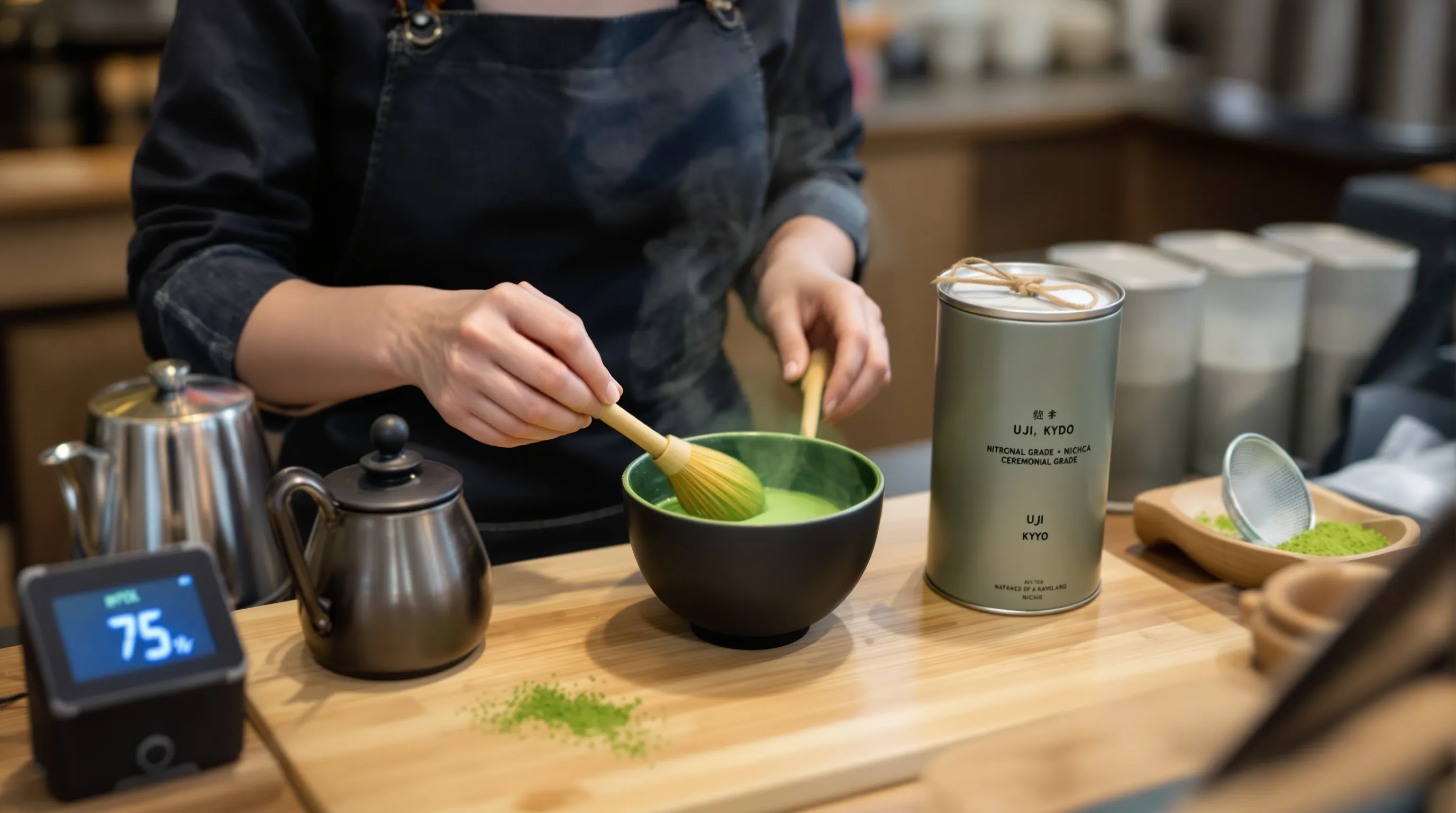
Buying online is usually the quickest path to authentic Japanese matcha Ireland wide. At Matcha Tea Ireland, we stock ceremonial grade matcha, organic matcha powder, and Japanese green tea accessories like chasen (whisks), chawan (bowls), and tea sets. Orders ship across Ireland and worldwide, and we rotate stock frequently to protect freshness. Other reputable online options may exist, but check for farm origin, milling dates, and airtight nitrogen‑flushed tins.
When you buy matcha online, look for:
- Clear origin (Uji, Kagoshima, etc.) and harvest notes.
- Grading for use (ceremonial vs culinary) and lab testing for pesticides and heavy metals.
- Storage guidance and best‑before dating.
Specialist Tea Shops And Asian Grocers
Specialist tea shops sometimes carry small‑batch ceremonial tins. Ask staff about batch turnover and opening dates, matcha sitting on a warm shelf for months won’t do. Asian grocers can have gems too, especially sealed, nitrogen‑flushed tins from Kyoto or Nishio. Again, check for “Japan” on the label and avoid generic “green tea powder.”
Cafés Serving Proper Matcha Lattes
A great café matcha latte should be vivid, not swampy: slightly sweet without syrups: and smooth, no clumps. We love to see:
- Prepared with sifted ceremonial or premium matcha.
- Water around 70–80°C before whisking, then milk added.
- A barista using a proper whisk or an espresso‑style frother with care.
If you’re curious, just ask which brand and grade they use. Many Irish cafés now partner with Irish retailers like us for reliable supply and training.
Brewing Better Matcha At Home
Tools You’ll Need
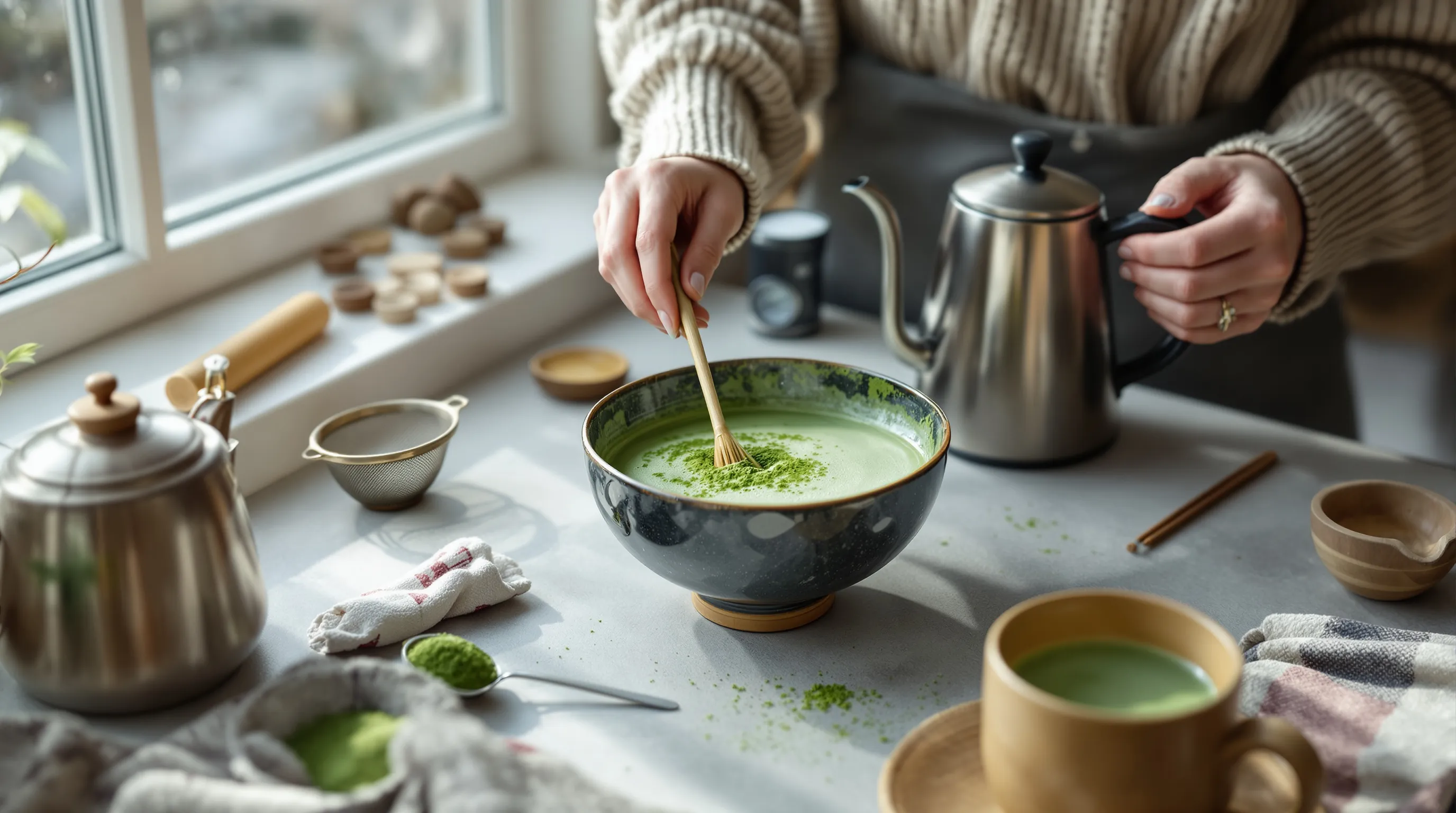
- Chasen (bamboo whisk) or a high‑quality milk frother with a fine coil.
- Chawan (bowl) or any wide, rounded bowl or mug.
- Chashaku (bamboo scoop) or 1/2 tsp measure.
- Fine sieve for sifting.
- Filtered water and, if you like lattes, your milk of choice.
We stock Japanese green tea accessories and complete matcha tea sets Ireland‑wide to get you started.
Step-By-Step Whisking Method
- Warm your bowl with hot water: discard and dry.
- Sift 1–2 chashaku (about 1–2 g) of ceremonial grade matcha into the bowl.
- Add 60–70 ml of water at 70–80°C. Cooler water protects sweetness and umami.
- Whisk briskly in a W or M motion for 15–20 seconds until a fine microfoam forms with tiny bubbles.
- For usucha, top up with 20–40 ml hot water. For a latte, add steamed milk (we like 150–200 ml). Sweeten only if needed.
Common Mistakes To Avoid
- Boiling water: It scorches, turning flavours bitter.
- Skipping the sift: Clumps won’t dissolve and will taste gritty.
- Overdosing: More powder isn’t more flavour: it’s more astringency.
- Old stock: Use opened tins within 4–6 weeks: keep them cold and sealed.
- Metal spoons scraping tins: Tiny nicks can introduce off‑flavours, use a scoop.
Sustainability, Ethics, And Price: What To Expect
Organic Practices And Testing
Organic matcha can be wonderful, but organic doesn’t automatically mean best flavour: terroir and skill still matter. We prioritise farms with shade‑growing expertise, clean soil, and transparent testing. Our organic lines and conventional ceremonial matcha are all screened for pesticides and heavy metals to EU standards. If a retailer can’t share testing info, that’s a sign to hesitate.
Packaging, Storage, And Freshness
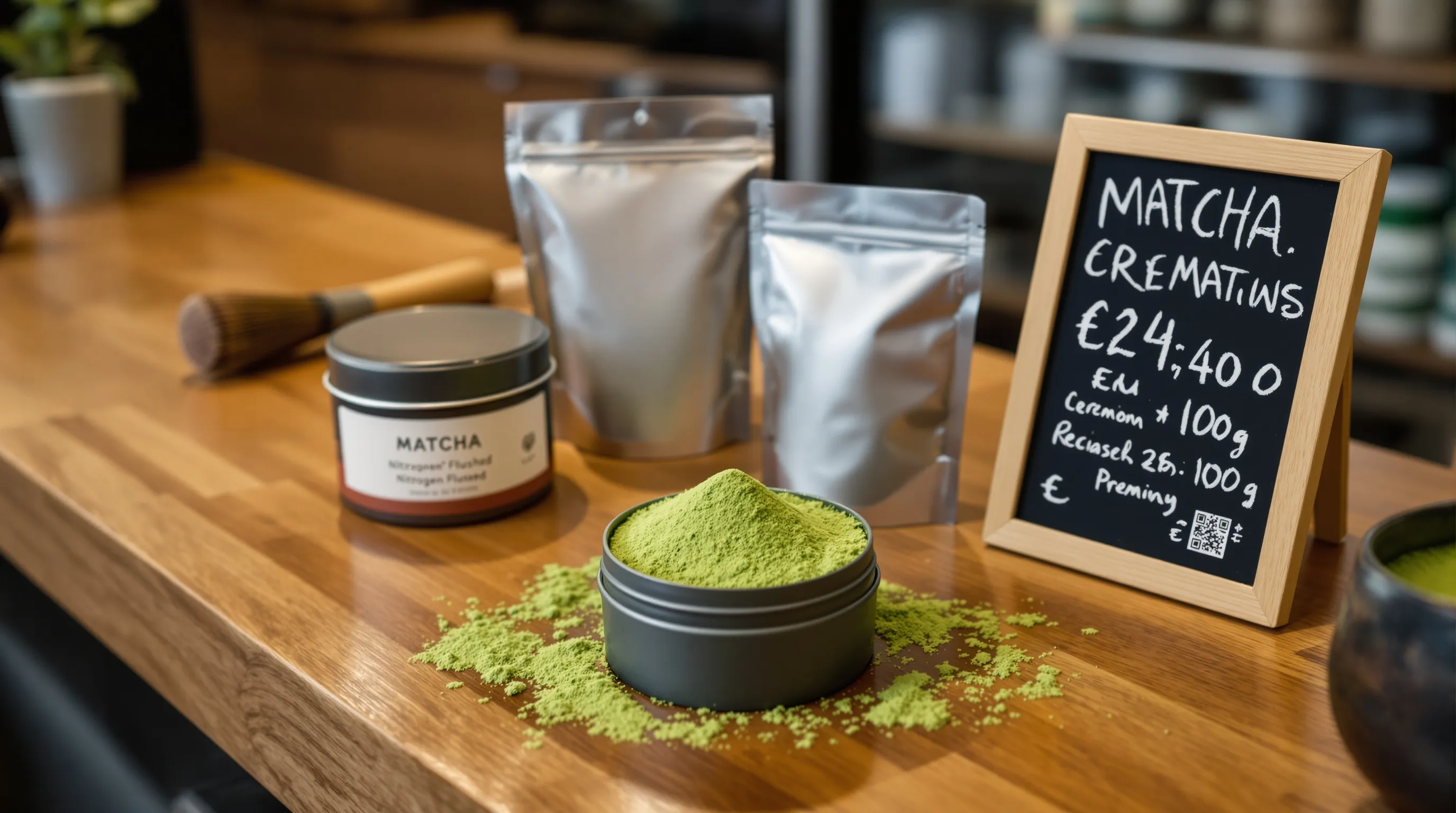
Nitrogen‑flushed, light‑proof tins extend freshness from Japan to Ireland. Once opened, we recommend smaller 30 g tins for home users, easy to finish while peak aromatics last. For cafés, we offer 100 g pouches with resealable, oxygen‑barrier layers and guidance on cold storage and rotation. Keep your tin in the fridge, lid tight, and avoid odour‑heavy shelves.
Price Ranges And Value
- Ceremonial grade matcha: Typically €24–€40 for 30 g, depending on origin and rarity.
- Premium/daily: €16–€28 for 30 g.
- Culinary: €10–€18 for 50–100 g packs.
Higher prices usually reflect first‑flush leaves, slower stone‑milling, and stricter farm standards. Value isn’t the cheapest tin, it’s the one that tastes sublime per cup.
Wholesale And White Label Options In Ireland

Sourcing And Quality Control
For cafés, restaurants, and wellness brands searching “matcha wholesale Ireland,” consistency is everything. We work directly with Japanese producers in Uji and Kagoshima, offering batch‑tracked ceremonial and barista‑focused blends. Each lot is cupped on arrival in Ireland for colour, aroma, and texture, then packed in oxygen‑barrier bags. White label and custom branding are available for businesses wanting their own line of authentic Japanese tea.
Storage, Rotation, And Menu Ideas
- Storage & rotation: Keep bulk pouches sealed and refrigerated: decant daily service amounts into tins and finish within 7–10 days. Mark open dates.
- Water discipline: Calibrate kettles to 75–80°C. It’s the single quickest flavour upgrade.
- Menu ideas: Classic hot/iced matcha lattes, ceremonial usucha, sparkling yuzu matcha, matcha lemonade, affogato‑style matcha over vanilla gelato, and matcha‑coconut frappes. For kitchens: matcha shortbread, chiffon cake, and white‑chocolate matcha bark.
We support staff training, dosing guides, and per‑drink costings so your menu is both delicious and profitable.
Conclusion
When we search “matcha near me,” we’re really hunting for freshness, provenance, and a cup that feels quietly extraordinary. In Ireland, the most reliable path is a trusted online source with fast shipping, clear origin notes, and honest grading, then a café or shop that respects the same standards. If you want to buy matcha online today, our store at matchateaireland.com stocks ceremonial grade matcha, premium green tea, and accessories to brew properly at home. Keep your water cool, your tins sealed, and your standards high. The result? A daily ritual that tastes as good here as it does in Kyoto.
Frequently Asked Questions
What does “matcha near me” really mean in Ireland?
For matcha, “near me” is about freshness and provenance, not just geography. Choose stone‑milled Japanese matcha with clear origin (Uji, Kagoshima, Nishio), fast nationwide delivery (next‑day or 48‑hour), and proper storage. A sealed, fresh tin shipped promptly often beats café powder left open on the counter.
How do I verify authentic Japanese matcha and pick the right grade?
Look for shade‑grown, stone‑milled matcha with harvest details and Japanese regions on the label. Ceremonial grade suits straight tea and premium lattes; premium/daily is ideal for everyday lattes and iced drinks; culinary is best for baking. Colour should be vivid green, aroma creamy, and texture ultra‑fine.
Where’s the best place to buy matcha in Ireland—online or in‑store?
Online retailers with frequent stock rotation and fast shipping are often the quickest route to fresh matcha near me. Check for Japanese origin, milling dates, nitrogen‑flushed tins, and lab testing. Specialist tea shops and Asian grocers can be great too—ask about batch turnover and sealed, Japan‑labelled tins.
How should I store matcha after opening, and how long will it stay fresh?
Keep matcha in an airtight tin in the fridge, away from light and odours. Use opened tins within 4–6 weeks for peak aroma and colour. For cafés, decant small service amounts and rotate regularly. Avoid boiling water, overdosing, and leaving tins open, which speeds oxidation.
Is matcha healthy, and how much caffeine does it contain?
Matcha provides catechins (including EGCG), L‑theanine, and antioxidants. A typical 2 g serving has roughly 60–80 mg caffeine—usually less than a standard coffee but with a smoother lift thanks to L‑theanine. If you’re sensitive, start with 1 g, avoid late‑evening cups, and choose reputable, tested sources.
What milk works best for a matcha latte, and what temperature should the water be?
Use water at 70–80°C to protect sweetness and umami. For milk, whole dairy or “barista” oat gives the best texture and balance; almond and soy can work if unsweetened. Sift matcha, whisk with hot water to a fine foam, then add steamed milk for a silky “matcha near me” latte.

